
The Danger of Plan B
Plan B often appears as wisdom, but it can become the quiet force that weakens commitment to Plan A. A reflection on courage, conviction and the hidden cost of keeping one foot out the door.
5 min readRead More →
Plan B often appears as wisdom, but it can become the quiet force that weakens commitment to Plan A. A reflection on courage, conviction and the hidden cost of keeping one foot out the door.

The hardest decision a leader ever makes is not what to begin. It is what to stop. The sunk cost fallacy is the quiet self-betrayal that keeps us pouring time, money and identity into what has already failed us.
When evidence collides with belief, most people do not change the belief. They rewrite the evidence. Cognitive dissonance is the quiet civil war that decides what we are willing to know.

A vivid story will defeat a careful study in almost any room. Understanding why — and what to do about it — is the beginning of disciplined public reasoning.
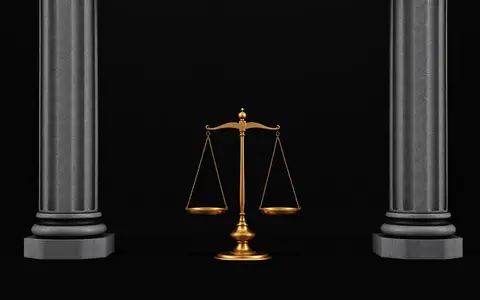
Every government uses law. Only some are governed by it. The difference between the rule of law and rule by law is the difference between a state that serves its people and one that merely administers them.
Economics asks what the optimal policy is. Political economy asks who would have to lose for it to happen. The second question explains far more of the world than the first.

Light, heat, motion and radio waves pass through every room we occupy, largely unused. Ambient energy harvesting asks a simple question: what if the environment itself could power the devices within it?

Health is not only what happens in hospitals. It is what a country decides to make cheap, what it decides to make expensive, and what it chooses to protect.

A health system that only treats will always be outrun by the disease it waits for. Prevention is the only strategy that gets ahead of the queue.

The price on the shelf is only the deposit. The rest of the bill is settled later — in hospital wards, in lost workdays, in road crashes and in households that never fully recover.

Almost every lifelong smoker started before turning twenty. Whatever protects a teenager from that first purchase protects an adult for the following fifty years.

For most families, serious illness does not arrive alone. It arrives with transport costs, lost income and a decision about which child continues school. Prevention is family financial protection.

A health tax is not a punishment. It is a price correction — an honest attempt to make the cost of a harmful product reflect the harm it leaves behind.

Communication is the currency of leadership. When leaders speak clearly, systems move; when they mumble, systems drift.

Authority without service is administration. Leadership begins where service begins — and ends where self-interest returns.
Receive thoughtful ideas, new publications, and exclusive updates from the Master Chimbala Ecosystem.